

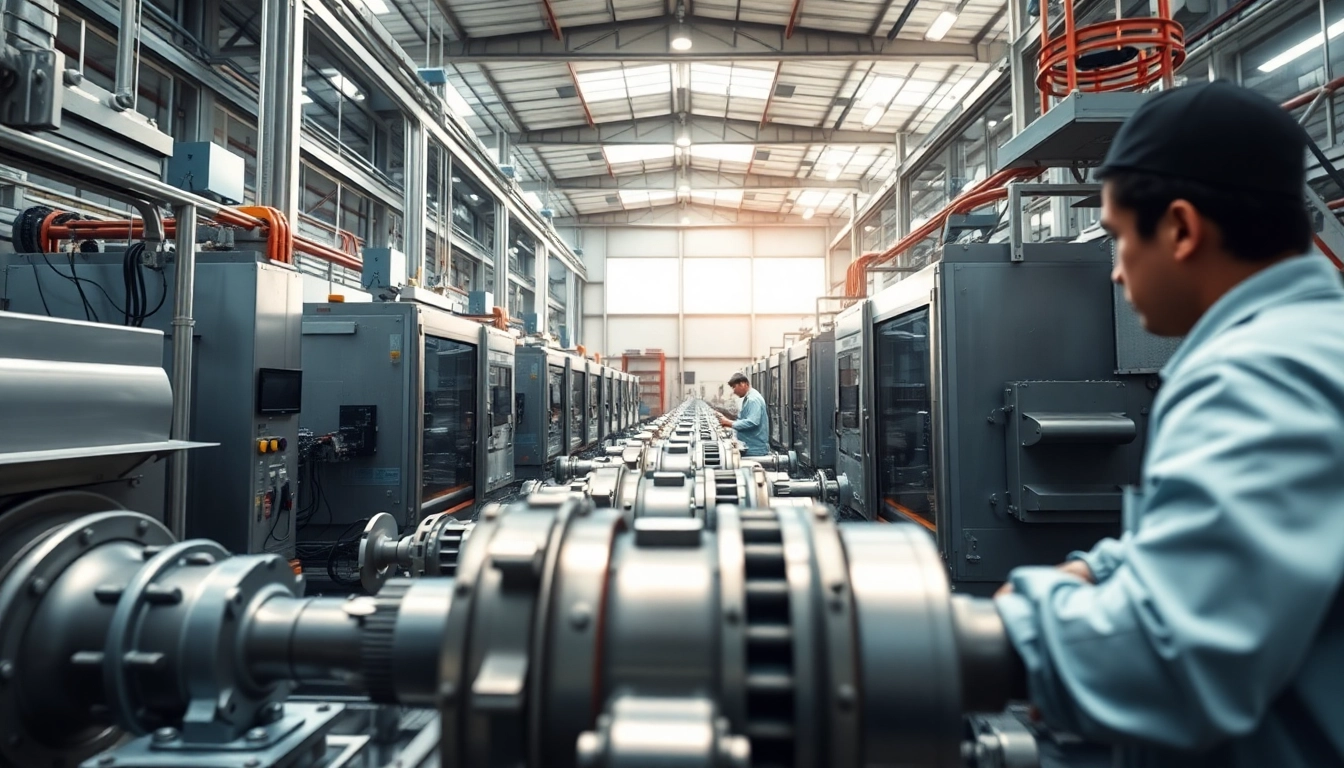
Understanding Diecasting Malaysia
Diecasting is a modern manufacturing process that plays a vital role in the production of intricate metal parts with high precision. In Malaysia, the diecasting industry has evolved significantly, becoming a key player in various sectors, including automotive, electronics, and medical equipment. By leveraging advanced technologies and skilled labor, diecasting manufacturers in Malaysia are poised to meet both local and international demands. When exploring options, diecasting malaysia stands out for its quality and innovation, making it a significant contributor to the global manufacturing landscape.
The Basics of Diecasting Technology
Diecasting involves forcing molten metal into a mold cavity under high pressure, allowing for precise and complex geometries that traditional manufacturing methods may not achieve. The process is characterized by its ability to produce parts with excellent dimensional accuracy and surface finish. Commonly used metals include aluminum, zinc, and magnesium due to their favorable properties, such as lightweight and corrosion resistance.
Key Materials Used in Diecasting
The choice of material is crucial in diecasting, significantly influencing the final product’s performance. Aluminum is the most popular choice due to its lightweight nature and excellent thermal conductivity. Zinc is favored for its strength and durability, while magnesium is preferred for its high strength-to-weight ratio. Each metal offers unique advantages, making them suitable for different applications such as automotive components, electronic housings, and more.
Diecasting vs. Other Manufacturing Techniques
Compared to other manufacturing methods, diecasting excels in speed and efficiency. While processes like machining and injection molding may be slower and less cost-effective for large batches, diecasting allows for rapid production of high-quality parts. This efficiency is particularly beneficial in industries that require high volumes of components, such as automotive and consumer electronics.
Applications of Diecasting in Various Industries
Automotive Industry Innovations
The automotive sector is one of the largest consumers of diecast components. With the push for lightweight vehicles to improve fuel efficiency, manufacturers are turning to aluminum diecasting to produce critical parts such as engine blocks, transmission cases, and structural components. Innovations in diecasting technology allow for the integration of complex features, reducing the need for additional assembly and decreasing overall costs.
Electronics and Consumer Goods
In the electronics industry, diecasting is used to create casings and housings for various devices, from smartphones to home appliances. The precise nature of diecasting ensures that these components meet stringent dimensional and aesthetic standards. Furthermore, the smooth finish of diecast parts enhances the overall look of consumer products, making them more appealing to customers.
Medical Equipment Manufacturing
Medical equipment relies on high-quality components that adhere to strict regulations. Diecasting provides the critical precision and reliability required in this field. Components such as surgical instruments and diagnostic devices often utilize zinc and aluminum diecastings, ensuring they meet both performance and safety standards.
Challenges and Solutions in Diecasting
Common Issues Faced in Production
Despite its advantages, the diecasting process is not without challenges. Issues such as mold wear, material defects, and dimensional inaccuracies can arise. Understanding the root causes of these problems is essential for manufacturers to maintain high-quality outputs. Regular maintenance of molds and improved quality control protocols can mitigate these risks.
Cost Management Strategies
As the demand for diecast components grows, manufacturers face pressure to manage costs effectively. Implementing lean manufacturing principles can significantly streamline operations and reduce waste. Additionally, investing in advanced technologies, such as automation and real-time monitoring systems, can enhance productivity and cost efficiency.
Quality Assurance Practices
In diecasting, maintaining quality is paramount. Implementing rigorous quality assurance practices, including in-process inspections and final product testing, ensures consistency and reliability. Using statistical process control (SPC) methods can help identify variations in the production process, allowing for timely corrections.
Current Trends and Future Outlook
Technological Advancements in 2025
The diecasting industry is poised for substantial growth due to advancements in technology. Innovations such as 3D printing for mold creation and the integration of artificial intelligence in production processes are set to revolutionize the field. These technologies will not only improve efficiency but also enhance the ability to customize products to meet specific customer requirements.
Sustainability in Diecasting Processes
As environmental concerns become increasingly central to manufacturing practices, diecasting operations are adapting to adopt more sustainable methods. Techniques such as recycling aluminum scrap and utilizing energy-efficient machinery are becoming common. Additionally, the development of environmentally friendly alloys will further minimize the ecological footprint of diecasting practices.
Market Predictions for Diecasting Malaysia
The diecasting market in Malaysia is expected to flourish in the coming years, driven by the demand for lightweight components in various industries. Continued investments in technology and skilled labor will position Malaysia as a key player in the global diecasting landscape. Market analysts predict a steady growth rate, making it an attractive destination for both local and international manufacturers seeking high-quality diecast components.
Choosing the Right Diecasting Partner
Criteria for Selecting a Diecasting Manufacturer
When selecting a diecasting partner, several criteria should be considered. Look for manufacturers with a proven track record of quality and reliability. Assess their capabilities in handling different materials and complex designs. It’s also vital to evaluate their adherence to industry standards and certifications, which can greatly influence the quality of the final product.
Benefits of Local vs. International Suppliers
Choosing between local and international diecasting suppliers involves weighing the benefits of each. Local suppliers often provide better communication, shorter lead times, and a quicker response to changes. However, international suppliers may offer competitive pricing and a broader range of capabilities. Ultimately, the choice should align with the specific needs of your project and logistical considerations.
Case Studies: Successful Partnerships
Examining case studies of successful partnerships can provide valuable insights into what to look for in a diecasting manufacturer. For instance, a collaboration between a local automotive company and a Malaysian diecaster resulted in significant cost savings and improved product quality. Such partnerships showcase the importance of choosing a manufacturer that understands the nuances of your industry and can adapt to your specific requirements.
