

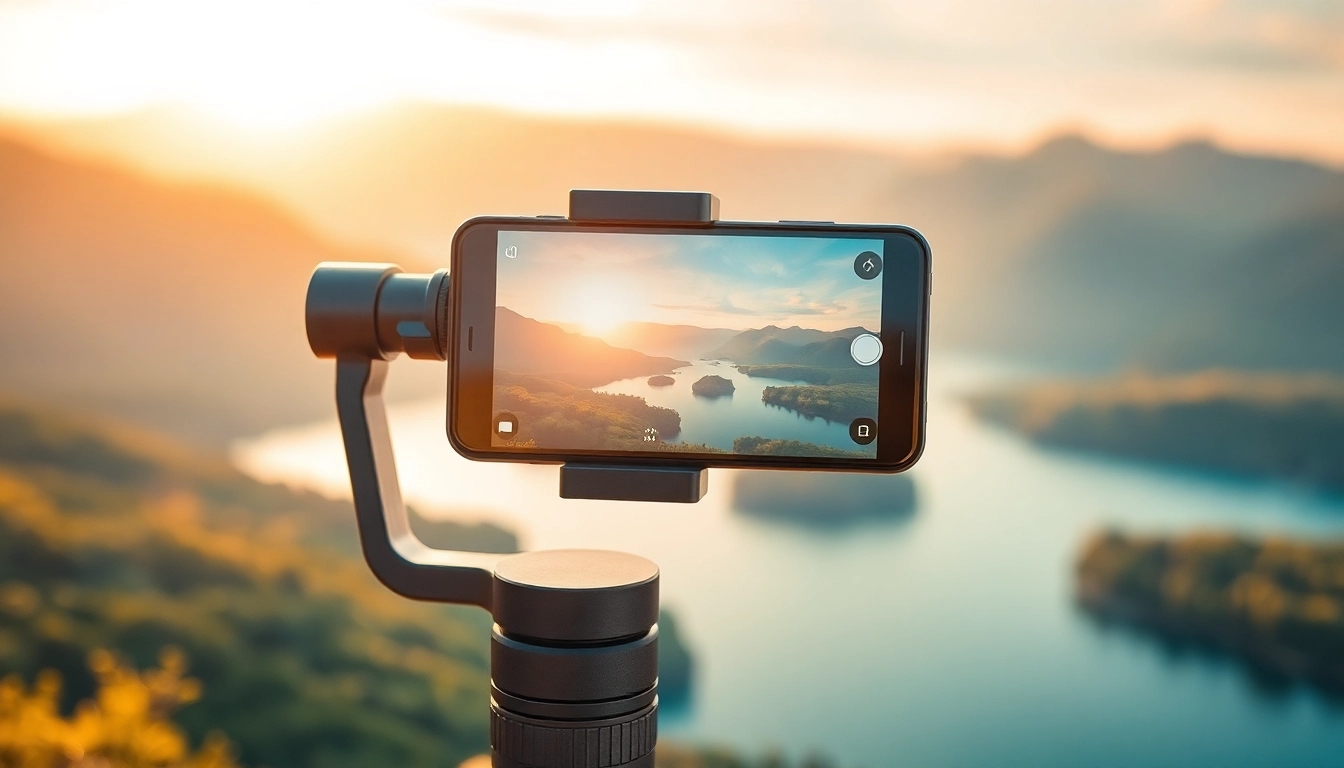
Understanding Phone Gimbals: Essential Features
In today’s fast-paced digital landscape, content creation has evolved significantly, especially with the advent of high-quality smartphone cameras. Among the tools that have become essential for budding videographers and seasoned professionals alike is the phone gimbal. A phone gimbal provides stability and smoothness to video recordings, allowing for professional-quality output that was once reserved for high-end filming equipment. Understanding the intricacies of this technology can enhance your shooting capabilities and elevate your content to new heights.
What is a Phone Gimbal?
A phone gimbal is a handheld stabilizer designed to eliminate unwanted camera movement when filming. Using three axis motors, these devices balance the weight of your smartphone, compensating for any motion or shaky hands while you record. This ensures that your footage remains smooth and visually appealing, offering a cinematic quality without the need for bulky equipment.
Key Features to Look for in a Gimbal
- Motorized Stabilization: This is the primary function of a gimbal. Look for models with three-axis stabilization for the best results.
- Battery Life: An ideal gimbal should offer extended battery life, allowing hours of uninterrupted filming.
- Weight and Portability: A lightweight design ensures that you can carry your gimbal anywhere without hassle.
- Smartphone Compatibility: Ensure that the gimbal is compatible with both iOS and Android smartphones, as well as larger models.
- Follow Modes: Different shooting scenarios call for different stabilization modes, such as pan-follow or lock mode.
How Phone Gimbals Improve Video Quality
The benefit of using a phone gimbal transcends mere stability. It significantly enhances video quality by providing smooth transitions and panning shots, making your content appear more polished. With the right gimbal, you can execute dynamic movements like tracking a moving subject or sweeping landscapes without the distracting jitters that typically occur when filming handheld. Additionally, many gimbals include features for automated tracking and creating specific cinematic effects, allowing for greater creative expression.
Best Practices for Using a Phone Gimbal
Setting Up Your Gimbal: A Step-by-Step Guide
Setting up your gimbal correctly is crucial for optimal performance. Start by balancing your phone on the gimbal according to the manufacturer’s specifications. This typically involves adjusting the arms of the gimbal until the phone remains level. Once balanced, power on the device and adjust the settings based on your shooting environment. Always ensure that your gimbal’s battery is fully charged before embarking on a shoot for uninterrupted use.
Common Mistakes to Avoid with Your Gimbal
Even seasoned users can make mistakes when using a gimbal. Some common errors include:
- Neglecting Balance: Failing to properly balance your phone can lead to poor stabilization performance.
- Not Familiarizing with Controls: Each gimbal has its control scheme; taking the time to understand these can save time during filming.
- Overloading the Gimbal: Using a heavy phone case or attaching additional equipment can impair the gimbal’s effectiveness.
Adjusting Settings for Optimal Performance
Most modern gimbals come with adjustable parameters to suit different shooting conditions. For example, you might switch to a slower follow rate for smoother pans or engage a faster response for action shots. Experimenting with these settings will allow you to find the perfect configuration for your unique filming style.
Comparing Top Phone Gimbals of 2025
Leading Brands and Their Innovations
As the demand for smartphone gimbals continues to rise, several brands have emerged as leaders in the market. DJI, known for their Osmo series, offers robust stabilization and a user-friendly app for advanced shooting techniques. Hohem has gained popularity for their affordable yet effective gimbals, while Insta360 integrates AI tracking features into their models, enhancing usability for vloggers and content creators.
Price Points: Finding the Right Gimbal for Your Budget
Phone gimbals are available at a range of price points, catering to both casual users and professional filmmakers. Entry-level models often start around $40, while high-end options can exceed $300. It’s important to balance your needs with your budget, considering features such as battery life, stabilization effectiveness, and additional functionalities like remote control and app compatibility.
User Reviews: What Filmmakers Are Saying
User reviews are an invaluable resource when choosing a gimbal. Many users praise models like the DJI OM5 for its ease of use and stability, while others highlight the affordability of Hohem gimbals without compromising quality. Filmmakers often focus on aspects such as durability, flexibility, and overall performance, which can significantly influence your decision.
Phone Gimbals in Vlogging and Content Creation
How Gimbals Enhance Your Vlogs
For vloggers, a steady shot is crucial. Phone gimbals allow for smooth tracking shots, making it easier to create visually appealing narratives. This enhances viewer engagement, as smoother footage is much more enjoyable to watch. Additionally, the lightweight design of gimbals makes them perfect for on-the-go content creation, ensuring that you can capture spontaneous moments without sacrificing stability.
Creative Shooting Techniques with a Phone Gimbal
Beyond simple stabilization, gimbals open up a world of creative possibilities. Techniques such as the “reveal shot,” where the camera moves to unveil a subject, or dynamic motions like whip pans can make your videos more engaging. Learning to master these techniques will set your content apart from the competition.
Integrating Gimbals into Your Filming Workflow
Incorporating a gimbal into your filming workflow can streamline your production process. Consider planning your shots around the unique capabilities of your gimbal, such as slow-motion tracking or panoramic shots. This not only enhances the quality of your footage but can also save time in post-production by reducing the need for stabilization adjustments.
Future Trends in Phone Gimbal Technology
Emerging Features for 2026 and Beyond
As technology continues to advance, we can expect gimbals to become even more sophisticated. Features such as improved battery efficiency, greater automation in tracking subjects, and enhanced app functionalities will likely become standard. The integration of more AI capabilities will also provide users with intelligent shooting suggestions based on their environment.
Impact of AI on Phone Gimbal Functionality
Artificial intelligence is poised to revolutionize how gimbals function. Future gimbals may use AI to automatically adjust to different filming conditions, recognize faces for tracking, and even suggest optimal camera angles. This could significantly enhance the user experience, allowing content creators to focus more on storytelling and less on technical setup.
Market Predictions: Where is the Industry Headed?
The gimbal market is expected to see continued growth, driven by the rise in smartphone videography and content creation. As more users seek professional-quality filming tools at accessible prices, we can expect innovations to emerge that address user feedback and demand. Brands that prioritize user experience and adaptability are likely to lead in this ever-evolving landscape.